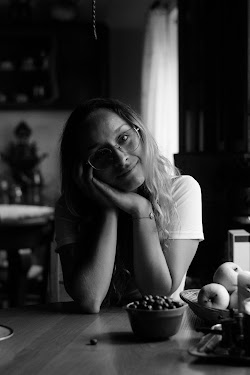
being on therapy

Saturday, October 21, 2023

It’s the end of my therapy!

I can't believe I'm writing this, but yes, I finished my therapy. After almost a year of more or less regular meetings with my therapist, it’s time to say I’m done and I can go further. At the last meeting she asked me if there was anything else I wanted to work on, and while searching for an answer I realized that I probably didn't have anything left to work on, to which my therapist replied that seeing the work I had done and the place I was currently in, it was time to end our therapy. And the fact that she suggested this to me herself made me believe that my therapist thought I was ready to close this chapter.

Trochę nie mogę uwierzyć, że to piszę, ale tak, zakończyłam terapię. Po prawie roku mniej lub bardziej regularnych spotkać z moją terapeutką, zakończyłyśmy współpracę. Na ostatnim spotkaniu zadała mi pytanie, czy jest jeszcze coś nad czym chciałabym popracować i szukając odpowiedzi doszłam do wniosku, że chyba już nie mam nic do przepracowania, na co moja terapeutka odpowiedziała, że widząc pracę, którą wykonałam i miejsce, w którym aktualnie jestem, to już czas na zakończenie naszej terapii. I fakt, że sama mi to zaproponowała, utwierdziło mnie w przekonaniu, że moja terapeutka uważa, że jestem gotowa by zamknąć ten rozdział.


Nevertheless, my first thought was "I'm 100% going to cry, because after all, my sensitive and emotional side always comes out at times like this". And you know what? I didn't cry :p Because that thought, it was a belief that's been sitting in me forever, and doesn't really match reality! Going back to that last meeting, I ended it by asking what was my greatest achievement according to my therapist. She said that according to her, the biggest achievement was the change in my internal dialogue. I had become more gentle, kind and loving towards myself. And (gosh!) it makes a huge difference!

Mimo wszystko, pierwsze co pomyślałam, to „na 100% się popłaczę, bo przecież moja wrażliwa i emocjonalna strona zawsze się wybija w takich momentach”. I wiecie co? Nie popłakałam się :p Bo ta myśl, to było przekonanie, które siedzi we mnie od zawsze, a w tak naprawdę nie odzwierciedla rzeczywistości! Wracając do tego ostatniego spotkania, zakończyłam je pytaniem, co było moim największym osiągnięciem według mojej terapeutki. Powiedziała, że według niej największym sukcesem byłą zmiana wewnętrznego dialogu. Stałam się bardziej czuła, miła i kochająca wobec samej siebie. I (gosh!) ile to zmienia!!!


Basically, while becoming more gentle to myself, I began to accept the various emotional states that were running through my mind, and react to them in a completely different way. Less criticism, more tenderness and more "it's ok / it's normal to feel this way / hey, take a deep breath and you'll see it will pass". It  h e l p s.

Przede wszystkim to, że stając się dla siebie bardziej czuła, zaczęłam akceptować najróżniejsze stany emocjonalne, które przewijały się przez mój umysł, i reagować na nie zupełnie inaczej. Mniej krytyki, więcej czułości i mówienia „jest okej / to normalne, że tak się czujesz / hej, pooddychaj głęboko, a zobaczysz, że przejdzie”. To  p o m a g a.


The second thing I have learned is to ask myself "do I have influence on what’s going on?" in situations when I feel irritation, anger, sadness, disappointment. Because I was often irritated by something that was happening outside my influence, that I couldn't change or could change but very little. Well, if I can't change it, is there any point in getting irritated / angry / disappointed? Of course, every emotion is necessary (!) and worth feeling, but at some point it's okay to let go. And this letting go has probably been the biggest challenge for me. Why?

Druga rzecz, której się nauczyłam, to zadawanie sobie pytania „czy mam wpływ na to, co się dzieje?” w sytuacjach, gdy czuję irytację, złość, gniew, smutek, rozczarowanie. Bo często irytowało mnie coś, co działo się poza moim wpływem, czego nie mogłam zmienić albo mogłam zmienić w bardzo małym stopniu. No to skoro nie mogę tego zmienić, to czy jest sens się irytować / złościć / gniewać? Wiadomo, każda emocja jest potrzebna (!) i warto ją poczuć, ale w pewnym momencie można już odpuścić. I to odpuszczanie to było chyba największe wyzwanie dla mnie. Dlaczego?


Because often instead of changing something, I sat passively in these emotions. During the meetings with my therapist, I often compared it to a lake of mud. I would sit in this lake of anger/irritation/disappointment, but instead of going out, I would often sit back in the mud on purpose (!) right at the edge and sit like that for some time. Even though I already had resources and strategies to help me get out. When I started to let go and say to myself "OK, let's get out of this mud already, because there's no point in sitting in it", I would actually start to get out and not sit back in the mud again.

Dlatego, że często zamiast coś zmienić, to biernie siedziałam sobie w tych emocjach. Na spotkaniach z moją terapeutką, często porównywałam to do takiego bagna, kałuży błotka. Siedzę w tym bagnie gniewu / irytacji / rozczarowania, ale zamiast wyjść na brzeg, to często tuż przy brzegu siadałam w tym bagnie z powrotem z własnej woli (!) i tak sobie siedziałam jeszcze jakiś czas. Mimo, że już miałam zasoby i strategie, które pomagały mi w wychodzeniu. Kiedy zaczęłam odpuszczać i mówić sobie „dobra, już wyjdźmy z tego błota, bo nie ma sensu w nim siedzieć”, to faktycznie zaczynałam wychodzić i już nie siadałam w tym bagnie z powrotem.


And the third thing is the ability to create beautiful metaphors and comparisons that very vividly describe the world of emotions, feelings, sensations and what is going on the inside. My therapist told me directly that I need to write this down somewhere and even share it with the world, because it is a huge (!) inspiration and it can help others. So I am honored to announce that I will be sharing these metaphors and comparisons with you :)

I trzecia rzecz, którą bardziej sobie uświadomiłam, niż której się nauczyłam, to umiejętność tworzenia pięknych metafor i porównań, które bardzo obrazowo opisują świat emocji, uczuć, wrażeń i tego, co się dzieje tam w środku. Moja terapeutka powiedziała mi wprost, że muszę to gdzieś zapisywać i nawet dzielić się ze światem, bo to jest ogrom (!) inspiracji i to może pomóc innym. Także uroczyście oznajmiam, że będę się dzielić tymi metaforami i porównaniami z wami :)


I'm giving you some links to previous posts where you'll find other valuable lessons from therapy, as well as ways to deal with stress and anxiety. Go and check it out, read it, and spread it around to anyone who might find it useful :) By the way, I wanted to say that I am very happy to have a space to share my thoughts about therapy with you, and let me say right away that you can share them in the comments too! This is a safe space here, so if you feel like it, feel free to share your thoughts! :)

Podrzucam linki do poprzednich postów, w których znajdziecie inne, cenne lekcje z terapii, a także sposoby na stres i uczucie niepokoju. Polecam sprawdzić, przeczytać i rozesłać wszystkim tym, którym może się to przydać <3 Przy okazji chciałam powiedzieć, że bardzo się cieszę, że mogłam się dzielić moimi przemyśleniami o terapii tutaj z wami i od razu powiem, że również możecie się nimi dzielić w komentarzach! Tutaj jest bezpieczna przestrzeń, więc jeśli tylko macie ochotę, to śmiało zapraszam do dzielenia się swoimi myślami :)

with love as always 
Basia

PS all the beautiful photos of me taken by my sister @aradwan_

It’s the end of my therapy!

Saturday, October 21, 2023

Saturday, May 20, 2023

Techniques to deal with anxiety and fear


Today's post is another post in a series about therapy (maybe I should make a separate category...?). I've already written about the reasons for going to therapy, what I've learned and about therapy itself - I recommend you read them all! And today I will share with you the techniques and ways to deal with fear and anxiety that I went through with my psychologist during sessions. But remember that not all techniques have to suit you, but try them all and give them credit, because for something to work it has to be practiced at least for a while.

Each of these techniques affects the body and mind differently - sometimes it's relaxation and total letting go, and sometimes it's facing anxiety. With each one I will write how I practice it myself and how it helps me, but (!) I am not a specialist, so you can still read about these practices or ask in therapy :).

This post is long, but the topic demands it, so make yourself a cup of coffee or tea, sit comfortably on the couch and I invite you to read.

Dzisiejszy post jest kolejnym postem z serii o terapii (może powinnam zrobić osobną kategorię…?). Pisałam już o powodach pójścia na terapię, o tym, czego się nauczyłam i o terapii samej w sobie – polecam sobie wszystkie przeczytać! Za to dzisiaj podzielę się z wami technikami i sposobami na strach i niepokój, które przerobiłam z moją psycholożką podczas sesji. Zaznaczę na samym początku, że po pierwsze nie wszystkie techniki muszą wam odpowiadać, ale wypróbujcie je wszystkie i dajcie im kredyt zaufania, bo żeby coś zaczęło działać musi być chociaż przez chwilę praktykowane.

Każda z tych technik inaczej oddziałuje na ciało i umysł – czasem jest to rozluźnienie i totalne odpuszczenie, a czasem stawnie czoła lękowi. Przy każdej napiszę, jak sama ją praktykuję i jak to mi pomaga, ale (!) nie jestem specjalistką, więc o tych praktykach można sobie jeszcze doczytać albo podpytać na terapii :).

Ten post jest długi, ale temat tego wymaga, więc zróbcie sobie kawkę lub herbatkę, usiądźcie wygodnie na kanapie i zapraszam do lektury.


/ MEDITATION
I think I don't need to explain too much here. Meditation teaches mindfulness, and it's not just that kind of mindfulness like “I'm here and now”, but also awareness of ours thoughts - because thoughts are often the cause of our fears. Meditation teaches to catch these thoughts, notice them and transform them into ones that are supportive. I definitely prefer guided meditations more than sitting in silence or with music and a timer set for a while. I love guided meditions from Lavendaire but now I practice more with my one of my favorite yoga teachers Gosia Mostowska.

/ JOURNALING
I've been practicing for years, at first for just writing down memories, now for writing thoughts out of my head. I have two journals - the first is a classic journal with thoughts, what happened during a day etc., and the second is a journal that my psychologist recommended me to start. This is a journal for difficult thoughts, in which I write down those thoughts that cause my fear, stress, anxiety, sadness, panic. At first I thought that writing them down would keep those thoughts in my mind, but no. This practice allowed me to take them out of my head. I also recommend having a gratitude journal, because it helps to focus on the good moments and to see that many nice things happen to us in our daily lives.


.medytacja
Myślę, że nie muszę tutaj zbyt wiele tłumaczyć. Medytacja uczy uważności i nie chodzi tutaj tylko o taką uważność w stylu jestem w tu i teraz, ale też świadomość własnych myśli – bo to myśli często są powodem naszych lęków. Medytacja uczy wyłapywać te myśli, zauważać je i przekształcać na takie, które są wspierające. Zdecydowanie bardziej wolę medytacje prowadzone niż siedzenie w ciszy lub z muzyczką i stoperem ustawionym na jakiś czas. Uwielbiam praktykować z Gosią Mostowską codziennie rano, po wykonaniu krótkiej jogi i czasem też wieczorem na dobry sen.

.journaling 
Praktykuję od lat, na początku dla samego zapisywania wspomnień, teraz dla wypisywania myśli z głowy. Prowadzę dwa dzienniki – pierwszy to taki klasyczny dziennik z przemyśleniami z danego dnia, a drugi to dziennik, który poleciła mi prowadzić moja psycholożka. Jest to dziennik trudnych myśli, w którym zapisuję sobie te myśli, które wywołują mój strach, stres, niepokój, smutek, panikę. Na początku wydawało mi się, że zapisanie ich, utrwali te myśli, ale nie. Ta praktyka pozwoliła mi wyjąć te myśli z głowy. Polecam też prowadzić dziennik wdzięczności, bo to pomaga skupić się na dobrych chwilach i zobaczeniu, że w życiu codziennych spotyka nas wiele miłych rzeczy.


/ INNER DIALOGUE
Talking to yourself. This is something we often forget. We also can help and support ourselves with a nice talk. This is not always easy, so in such moments it is more helpful to talk to another person, but in some situations, by talking to ourselves out loud or in our thoughts, we are able to let the fear go. In such moments, when I get a strong anxiety caused by a certain situation, I start saying to myself "easy Basia, it's just fear, fear is normal, concentrate on your breathing, it will help you calm down. It's okay, I'm with you, you're safe. It's fine and it's going to get even better." - I know this may seem strange at first, but (!) it works.

/ TALK TO A FRIEND
When internal dialogue doesn't help and you need something stronger it's better to call/go to someone and talk. Contact with another person can be very helpful and will allow you to deal with the fear. You don't need to explain the whole situation/story, just say that you are having an anxiety/fear attack and want to talk about that or about something completely different. And don't be afraid to talk about it - maybe in such a conversation you will learn that the other person also struggled or is still struggling with anxiety and dealt with it in such and such a way.


.dialog wewnętrzny
Rozmowa z samą/samym sobą. To jest coś, o czym często zapominamy. My sami możemy sobie pomóc i wesprzeć siebie ciepłym słowem. Nie zawsze jest to łatwe, dlatego w takich chwilach warto porozmawiać z drugą osobą, ale w niektórych sytuacjach, mówiąc do siebie na głos lub w myślach, jesteśmy w stanie wyciszyć strach. W takich momentach, gdy dopada mnie silny niepokój związany z jakąś sytuacją, zaczynam do siebie mówić „easy Basiu, to tylko strach, strach jest normalny, skoncentruj się na swoim oddechu, on pomoże ci się uspokoić. Już dobrze, jestem z tobą, jesteś bezpieczna. Jest dobrze i będzie jeszcze lepiej” – wiem, że może się to wydawać dziwne na początku, ale (!) działa.

.rozmowa z przyjacielem
Gdy dialog wewnętrzny nie pomaga i potrzeba czegoś mocniejszego to najlepiej zadzwonić/pójść do kogoś i porozmawiać. Kontakt z drugim człowiekiem potrafi być zbawienny i pozwoli poradzić sobie ze strachem. Nie trzeba tłumaczyć całej sytuacji/historii, wystarczy powiedzieć, że macie napad lęku/strachu i chcecie pogadać właśnie o tym albo o czymś zupełnie innym. I nie bójcie się o tym rozmawiać – może w takiej rozmowie dowiecie się, że druga osoba też zmagała się albo wciąż się zmaga z lękiem i poradziła sobie z nim w taki i taki sposób.


/ HUGGING, PHYSICAL TOUCH
Let me say right away that this does not necessarily work with everyone, because there are people who are more and less sensitive to touch. For example, I need a hug, the touch of another person, a simple pat on the shoulder or on the back. Fun fact, you can also hug yourself and it works as well. I recommend hugging yourself and closing your eyes and massaging your back and shoulders. Even if it doesn't work 100%, it helps calm the fear at least for a while.

/ MOVEMENT, PHYSICAL ACTIVITY
This is even scientifically confirmed by many articles! I even wrote about it here. First of all, endorphins. Second, we turn off our thinking and focus on something other than fear. Third, we release tension in the body. For stress, yoga is perfect, but actually any physical activity you like will work great here :) .

/ AWARENESS THAT IT WILL PASS
Repeating to yourself that it won't last forever. Because it really will pass. Life consists of different moments – light, nice, beautiful, but also difficult, stressful, sad. And this is normal. But even the most difficult moments will pass. And those that you think already last forever will pass too.

There are even more techniques, but the ones I've listed here I practice almost every day. I really recommend you to try each of them! And if you practice something I haven't listed here then be sure to let me know in the comments. I'm hugging you tightly and supporting you mentally, wherever you are on the way to a peaceful mind!


.przytulenie, dotyk fizyczny
Od razu powiem, że nie u wszystkich to musi działać, bo są osoby mniej i bardziej wrażliwe na dotyk. Ja na przykład potrzebuję przytulenia, dotyku drugiej osoby, zwykłego poklepania po ramieniu albo po plecach. Fun fact, sami też możecie się przytulić i to działa równie dobrze. Polecam się objąć i zamknąć oczy i pomasować po plecach i ramionach. Nawet jeśli nie działa w 100% to pomaga chociaż na chwilę wyciszyć strach.

.ruch, aktywność fizyczna
To jest wręcz potwierdzone naukowo wieloma artykułami! Nawet pisałam o tym tutaj. Po pierwsze, endorfiny. Po drugie, wyłączamy myślenie i skupiamy się na czymś innym niż strach. Po trzecie, uwalniamy napięcia w ciele. Na stres poleca się joga, ale tak naprawę jakakolwiek aktywność fizyczna, którą lubicie, świetnie się tutaj sprawdzi :).

.świadomość, że to minie
Powtarzanie sobie, że to nie będzie trwało wiecznie. Bo to naprawdę minie. Życie składa się z różnych momentów, i tych lekkich, miłych, pięknych, ale i trudnych, stresujących, smutnych. I to jest normlane. Ale nawet najtrudniejsze momenty miną. I te, które wydają wam się, że już trwają wiecznie, też miną.

Technik jest jeszcze więcej, ale te, które tu wymieniłam, sama praktykuję. Polecam wypróbować każdą z nich, a jeśli sami praktykujecie coś, czego tutaj nie wymieniłam to koniecznie dajcie znać w komentarzu. Mocno was przytulam i wspieram mentalnie, gdziekolwiek jesteście na drodze do spokojnego umysłu!

with love
Basia

Techniques to deal with anxiety and fear

Saturday, May 20, 2023

Saturday, September 18, 2021

Therapy


Did I think that something was wrong with me when I went to therapy? No. But we still live in a world which puts equal sign between therapy and having a problem with yourself. Therapy is still treated as a taboo topic but it changes and you can hear about it more from influencers, people around you and your closest friends. I’ve listened to some podcasts in which this topic was mentioned a couple of times and people who participated in those podcasts were talking about their own experiences and they all recommended therapy as the best way to get help, no matter if you think you have a problem or not. I was thinking about this recently and I realized that I share their point of view. I mean if you don’t feel like you need therapy, you don’t have to go on it. Being forced and forcing to do something makes no sense.

Czy idąc na terapię myślałam, że coś jest ze mną nie tak? Nie. Ale nadal żyjemy w czasach, w których pójście na terapię oznacza, że chodzi o jakiś większy problem. Terapia to w niektórych kręgach temat tabu, ale to się zmienia i bardzo mnie to cieszy. Słuchałam wielu podcastów, w których rozmówcy mówili o terapii i wyrażali pogląd, że każdy z nas mógłby na nią pójść, niezależnie od tego, czy rzeczywiście ma jakiś problem, czy nie. Myślałam nad tym ostatnio i doszłam do wniosku, że podzielam to zdanie. Oczywiście, każdy musi to poczuć i sam stwierdzić, że potrzebuje pójść na terapię. Zmuszanie się albo namawianie kogoś nie wchodzi tutaj w grę.

I went on therapy a year ago and during the first meeting my therapist and I decided to meet every week for the whole month and after this time we would decide if I need more visits or not. I decided to go on therapy because I noticed some thoughts and ways of thinking that were coming back again and again even though I was trying to get rid of them. Obviously, I wasn’t alone, there were always my best friends with me and my family too but their advices weren’t that strong to really change my mind. I realized that it was as if my mind was already used to getting those advices and stopped really caring about them. That’s why I decided to go on therapy, to get another point of view, new ideas to solve problems from a person who doesn’t know me at all.

Ja poszłam na terapię rok temu i na pierwszym spotkaniu z moim terapeutą ustaliliśmy, że będziemy się spotykać przez cały miesiąc, a po tym czasie zobaczymy, jak się będę czuła. Zdecydowałam się na terapię, bo zauważyłam, że wracają do mnie te same problemy i te same schematy myślowe, których nie lubiłam, a które i tak do siebie dopuszczałam. Oczywiście cały czas rozmawiałam z moimi przyjaciółkami i dzieliłam się tym, co działo się wewnątrz mnie, ale ich rady nie zawsze do mnie docierały. Doszłam do wniosku, że to trochę tak, jakby mój umysł był już przyzwyczajony do tego typu komunikatów i nie traktował ich poważnie. Dlatego postanowiłam poszukać pomocy u terapeuty – osoby, która w ogóle mnie nie zna i która (może) będzie ze mną rozmawiać w zupełnie inny sposób.

To find a good therapist isn’t a piece of cake – it must be a person who you like and you feel good with their way of speaking, their points of view, their voice or even how they look. Seriously, if there’s something you don’t like in your therapist, it’s not gonna work. Everybody’s different and everybody has different needs and things they like. I tried to make an appointment with three different therapists and only the third one responded to me. And that was a person who became my therapist.

Znaleźć właściwego terapeutę nie jest łatwo – to musi być osoba, która Wam w pełni odpowiada. Pisząc „w pełni”, mam na myśli „w stu procentach” – pod względem ubioru, wyglądu, tembru głosu, sposobu, w jaki rozmawia, komunikatów, które daje, zadawanych pytań, dosłownie wszystkiego. Każdy jest inny i każdy ma inne potrzeby i wymagania. Ja na początku próbowałam się skontaktować z dwiema terapeutkami, ale nie dostałam od nich odpowiedzi. Dopiero trzecia osoba się do mnie odezwała, i to z tym terapeutą umówiłam się na wizytę.

Give yourself time to decide if this therapist is for you or not. First meeting is to get to know each other. Your therapist needs to know who you are, how you live, what you want to work on. First meeting is for you to talk about yourself. In the beginning I thought that during our first meeting I would already get some solutions, new ideas or some life hacks (whatever) but it wasn’t like this. When I came the second time, I got some good advices, new perspectives that I had never thought about before. Sudennly, something that I had treated as my default had the other, brighter side, and had also some positive aspects. Some of my reactions that I wanted to get rid of weren’t that bad and huge as I had thought before. What’s more, they were n o r m a l.

Nie zraźcie się po pierwszym spotkaniu – to jest spotkanie zapoznawcze, terapeuta musi po prostu zobaczyć, kim jesteście, jak żyjecie, z czym przychodzicie. Ja na początku myślałam, że już na pierwszym spotkaniu padną pytania, które otworzą jakieś moje wewnętrzne blokady z dzieciństwa, ale tak się nie stało. Dopiero kolejne spotkanie coś wniosło – to, o czym pisałam wcześniej – usłyszałam komunikaty, których w ogóle się nie spodziewałam. Nagle coś, co w moich oczach było problemem – było złe, nie miało żadnych pozytywnych skutków – miało drugą stronę medalu, na którą nigdy nie patrzyłam. Co więcej, „wady”, które chciałam naprawić, czy moje reakcje, które uważałam za niestosowne lub wyolbrzymione okazały się n o r m a l n e.

After that month I finished my therapy but my therapist said that if I needed to talk, there would always be this possibility to come. And now it is like this – whenever I have a storm in my mind or I have the feeling that my life just falls apart, I call him to ask for a meeting. And it’s always very helpful.

Po miesiącu zakończyłam cykl regularnych spotkań, ale mój terapeuta powiedział mi, że jeśli kiedykolwiek będę potrzebowała porozmawiać, zawsze mogę do niego przyjść. I rzeczywiście tak robię. Kiedy czuję, że coś jest nie tak i wiem, że potrzebuję usłyszeć rady od osoby, które nie zna mnie tak dobrze jak moja mama czy przyjaciółka, i ma zupełnie inny punkt widzenia, to od razu piszę do mojego terapeuty z pytaniem, kiedy ma najbliższy wolny termin. I za każdym razem mi pomaga.

Therapy isn’t anything special or strange. You don’t need to avoid this topic or hide it. As my therapist would say, being on therapy is okay, it’s healthy and normal, it’s helpful and very cheering up. If you’re feeling like you may need this, please, don’t wait too long, do it for yourself. I’m hugging you all and cheering you up as much as I can! Good luck guys!

Terapia nie jest niczym wyjątkowym, nadzwyczajnym. Nie trzeba jej ukrywać ani się z nią chować. Jak by to powiedział mój terapeuta, chodzenie na terapię jest okej, jest zdrowe i normalne, bardzo pomocne i dodające otuchy. Jeśli czujecie się przygnieceni, zagubieni i nie czujecie się do końca dobrze tu, gdzie jesteście, i myślicie o terapii – tak, idźcie, zróbcie to dla siebie. Tulę Was wszystkich i każdego z osobna. Trzymajcie się dzielnie!

with love
Basia

Therapy

Saturday, September 18, 2021

© Primineers. Design by FCD.