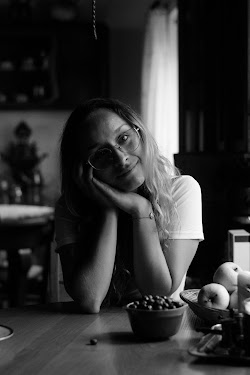
Today's post is another post in a series about therapy (maybe I should make a separate category...?). I've already written about the reasons for going to therapy, what I've learned and about therapy itself - I recommend you read them all! And today I will share with you the techniques and ways to deal with fear and anxiety that I went through with my psychologist during sessions. But remember that not all techniques have to suit you, but try them all and give them credit, because for something to work it has to be practiced at least for a while.
Each of these techniques affects the body and mind differently - sometimes it's relaxation and total letting go, and sometimes it's facing anxiety. With each one I will write how I practice it myself and how it helps me, but (!) I am not a specialist, so you can still read about these practices or ask in therapy :).
This post is long, but the topic demands it, so make yourself a cup of coffee or tea, sit comfortably on the couch and I invite you to read.
Dzisiejszy post jest kolejnym postem z serii o terapii (może powinnam zrobić osobną kategorię…?). Pisałam już o powodach pójścia na terapię, o tym, czego się nauczyłam i o terapii samej w sobie – polecam sobie wszystkie przeczytać! Za to dzisiaj podzielę się z wami technikami i sposobami na strach i niepokój, które przerobiłam z moją psycholożką podczas sesji. Zaznaczę na samym początku, że po pierwsze nie wszystkie techniki muszą wam odpowiadać, ale wypróbujcie je wszystkie i dajcie im kredyt zaufania, bo żeby coś zaczęło działać musi być chociaż przez chwilę praktykowane.
Każda z tych technik inaczej oddziałuje na ciało i umysł – czasem jest to rozluźnienie i totalne odpuszczenie, a czasem stawnie czoła lękowi. Przy każdej napiszę, jak sama ją praktykuję i jak to mi pomaga, ale (!) nie jestem specjalistką, więc o tych praktykach można sobie jeszcze doczytać albo podpytać na terapii :).
Ten post jest długi, ale temat tego wymaga, więc zróbcie sobie kawkę lub herbatkę, usiądźcie wygodnie na kanapie i zapraszam do lektury.

/ MEDITATION
I think I don't need to explain too much here. Meditation teaches mindfulness, and it's not just that kind of mindfulness like “I'm here and now”, but also awareness of ours thoughts - because thoughts are often the cause of our fears. Meditation teaches to catch these thoughts, notice them and transform them into ones that are supportive. I definitely prefer guided meditations more than sitting in silence or with music and a timer set for a while. I love guided meditions from Lavendaire but now I practice more with my one of my favorite yoga teachers Gosia Mostowska.
/ JOURNALING
I've been practicing for years, at first for just writing down memories, now for writing thoughts out of my head. I have two journals - the first is a classic journal with thoughts, what happened during a day etc., and the second is a journal that my psychologist recommended me to start. This is a journal for difficult thoughts, in which I write down those thoughts that cause my fear, stress, anxiety, sadness, panic. At first I thought that writing them down would keep those thoughts in my mind, but no. This practice allowed me to take them out of my head. I also recommend having a gratitude journal, because it helps to focus on the good moments and to see that many nice things happen to us in our daily lives.

.medytacja
Myślę, że nie muszę tutaj zbyt wiele tłumaczyć. Medytacja uczy uważności i nie chodzi tutaj tylko o taką uważność w stylu jestem w tu i teraz, ale też świadomość własnych myśli – bo to myśli często są powodem naszych lęków. Medytacja uczy wyłapywać te myśli, zauważać je i przekształcać na takie, które są wspierające. Zdecydowanie bardziej wolę medytacje prowadzone niż siedzenie w ciszy lub z muzyczką i stoperem ustawionym na jakiś czas. Uwielbiam praktykować z Gosią Mostowską codziennie rano, po wykonaniu krótkiej jogi i czasem też wieczorem na dobry sen.
.journaling
Praktykuję od lat, na początku dla samego zapisywania wspomnień, teraz dla wypisywania myśli z głowy. Prowadzę dwa dzienniki – pierwszy to taki klasyczny dziennik z przemyśleniami z danego dnia, a drugi to dziennik, który poleciła mi prowadzić moja psycholożka. Jest to dziennik trudnych myśli, w którym zapisuję sobie te myśli, które wywołują mój strach, stres, niepokój, smutek, panikę. Na początku wydawało mi się, że zapisanie ich, utrwali te myśli, ale nie. Ta praktyka pozwoliła mi wyjąć te myśli z głowy. Polecam też prowadzić dziennik wdzięczności, bo to pomaga skupić się na dobrych chwilach i zobaczeniu, że w życiu codziennych spotyka nas wiele miłych rzeczy.

/ INNER DIALOGUE
Talking to yourself. This is something we often forget. We also can help and support ourselves with a nice talk. This is not always easy, so in such moments it is more helpful to talk to another person, but in some situations, by talking to ourselves out loud or in our thoughts, we are able to let the fear go. In such moments, when I get a strong anxiety caused by a certain situation, I start saying to myself "easy Basia, it's just fear, fear is normal, concentrate on your breathing, it will help you calm down. It's okay, I'm with you, you're safe. It's fine and it's going to get even better." - I know this may seem strange at first, but (!) it works.
/ TALK TO A FRIEND
When internal dialogue doesn't help and you need something stronger it's better to call/go to someone and talk. Contact with another person can be very helpful and will allow you to deal with the fear. You don't need to explain the whole situation/story, just say that you are having an anxiety/fear attack and want to talk about that or about something completely different. And don't be afraid to talk about it - maybe in such a conversation you will learn that the other person also struggled or is still struggling with anxiety and dealt with it in such and such a way.

.dialog wewnętrzny
Rozmowa z samą/samym sobą. To jest coś, o czym często zapominamy. My sami możemy sobie pomóc i wesprzeć siebie ciepłym słowem. Nie zawsze jest to łatwe, dlatego w takich chwilach warto porozmawiać z drugą osobą, ale w niektórych sytuacjach, mówiąc do siebie na głos lub w myślach, jesteśmy w stanie wyciszyć strach. W takich momentach, gdy dopada mnie silny niepokój związany z jakąś sytuacją, zaczynam do siebie mówić „easy Basiu, to tylko strach, strach jest normalny, skoncentruj się na swoim oddechu, on pomoże ci się uspokoić. Już dobrze, jestem z tobą, jesteś bezpieczna. Jest dobrze i będzie jeszcze lepiej” – wiem, że może się to wydawać dziwne na początku, ale (!) działa.
.rozmowa z przyjacielem
Gdy dialog wewnętrzny nie pomaga i potrzeba czegoś mocniejszego to najlepiej zadzwonić/pójść do kogoś i porozmawiać. Kontakt z drugim człowiekiem potrafi być zbawienny i pozwoli poradzić sobie ze strachem. Nie trzeba tłumaczyć całej sytuacji/historii, wystarczy powiedzieć, że macie napad lęku/strachu i chcecie pogadać właśnie o tym albo o czymś zupełnie innym. I nie bójcie się o tym rozmawiać – może w takiej rozmowie dowiecie się, że druga osoba też zmagała się albo wciąż się zmaga z lękiem i poradziła sobie z nim w taki i taki sposób.

/ HUGGING, PHYSICAL TOUCH
Let me say right away that this does not necessarily work with everyone, because there are people who are more and less sensitive to touch. For example, I need a hug, the touch of another person, a simple pat on the shoulder or on the back. Fun fact, you can also hug yourself and it works as well. I recommend hugging yourself and closing your eyes and massaging your back and shoulders. Even if it doesn't work 100%, it helps calm the fear at least for a while.
/ MOVEMENT, PHYSICAL ACTIVITY
This is even scientifically confirmed by many articles! I even wrote about it here. First of all, endorphins. Second, we turn off our thinking and focus on something other than fear. Third, we release tension in the body. For stress, yoga is perfect, but actually any physical activity you like will work great here :) .
/ AWARENESS THAT IT WILL PASS
Repeating to yourself that it won't last forever. Because it really will pass. Life consists of different moments – light, nice, beautiful, but also difficult, stressful, sad. And this is normal. But even the most difficult moments will pass. And those that you think already last forever will pass too.
There are even more techniques, but the ones I've listed here I practice almost every day. I really recommend you to try each of them! And if you practice something I haven't listed here then be sure to let me know in the comments. I'm hugging you tightly and supporting you mentally, wherever you are on the way to a peaceful mind!

.przytulenie, dotyk fizyczny
Od razu powiem, że nie u wszystkich to musi działać, bo są osoby mniej i bardziej wrażliwe na dotyk. Ja na przykład potrzebuję przytulenia, dotyku drugiej osoby, zwykłego poklepania po ramieniu albo po plecach. Fun fact, sami też możecie się przytulić i to działa równie dobrze. Polecam się objąć i zamknąć oczy i pomasować po plecach i ramionach. Nawet jeśli nie działa w 100% to pomaga chociaż na chwilę wyciszyć strach.
.ruch, aktywność fizyczna
To jest wręcz potwierdzone naukowo wieloma artykułami! Nawet pisałam o tym tutaj. Po pierwsze, endorfiny. Po drugie, wyłączamy myślenie i skupiamy się na czymś innym niż strach. Po trzecie, uwalniamy napięcia w ciele. Na stres poleca się joga, ale tak naprawę jakakolwiek aktywność fizyczna, którą lubicie, świetnie się tutaj sprawdzi :).
.świadomość, że to minie
Powtarzanie sobie, że to nie będzie trwało wiecznie. Bo to naprawdę minie. Życie składa się z różnych momentów, i tych lekkich, miłych, pięknych, ale i trudnych, stresujących, smutnych. I to jest normlane. Ale nawet najtrudniejsze momenty miną. I te, które wydają wam się, że już trwają wiecznie, też miną.
Technik jest jeszcze więcej, ale te, które tu wymieniłam, sama praktykuję. Polecam wypróbować każdą z nich, a jeśli sami praktykujecie coś, czego tutaj nie wymieniłam to koniecznie dajcie znać w komentarzu. Mocno was przytulam i wspieram mentalnie, gdziekolwiek jesteście na drodze do spokojnego umysłu!
with love
Basia